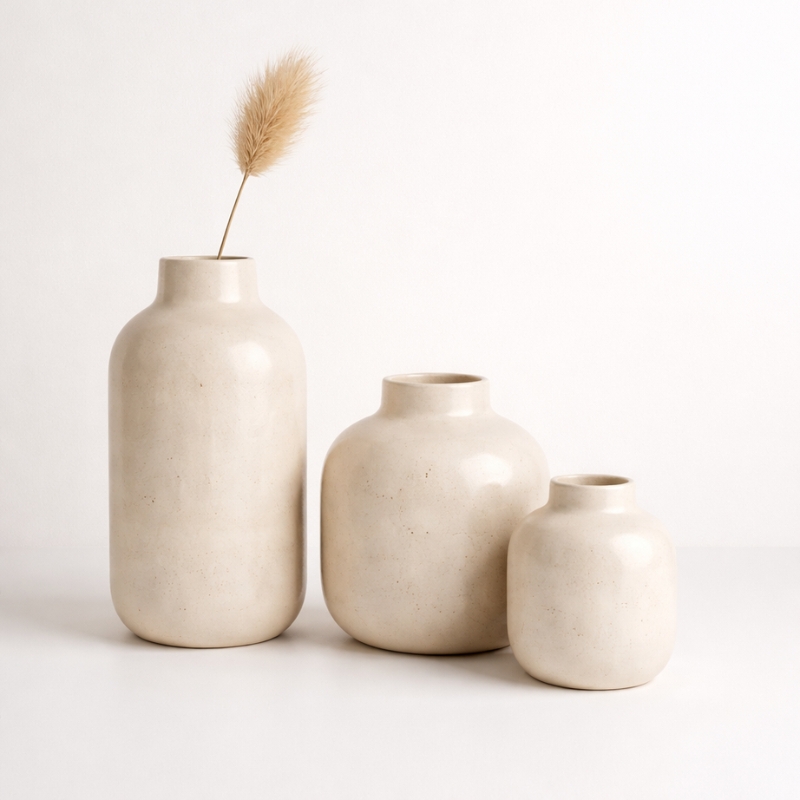
Handthrown Ceramic Vase Set
Three varying heights in warm cream glaze
View ProductAs an affiliate, we may earn a commission from qualifying purchases at no cost to you. This helps support our curated sanctuary.
Every object in a room tells a story. Here's how to ensure yours is worth reading.
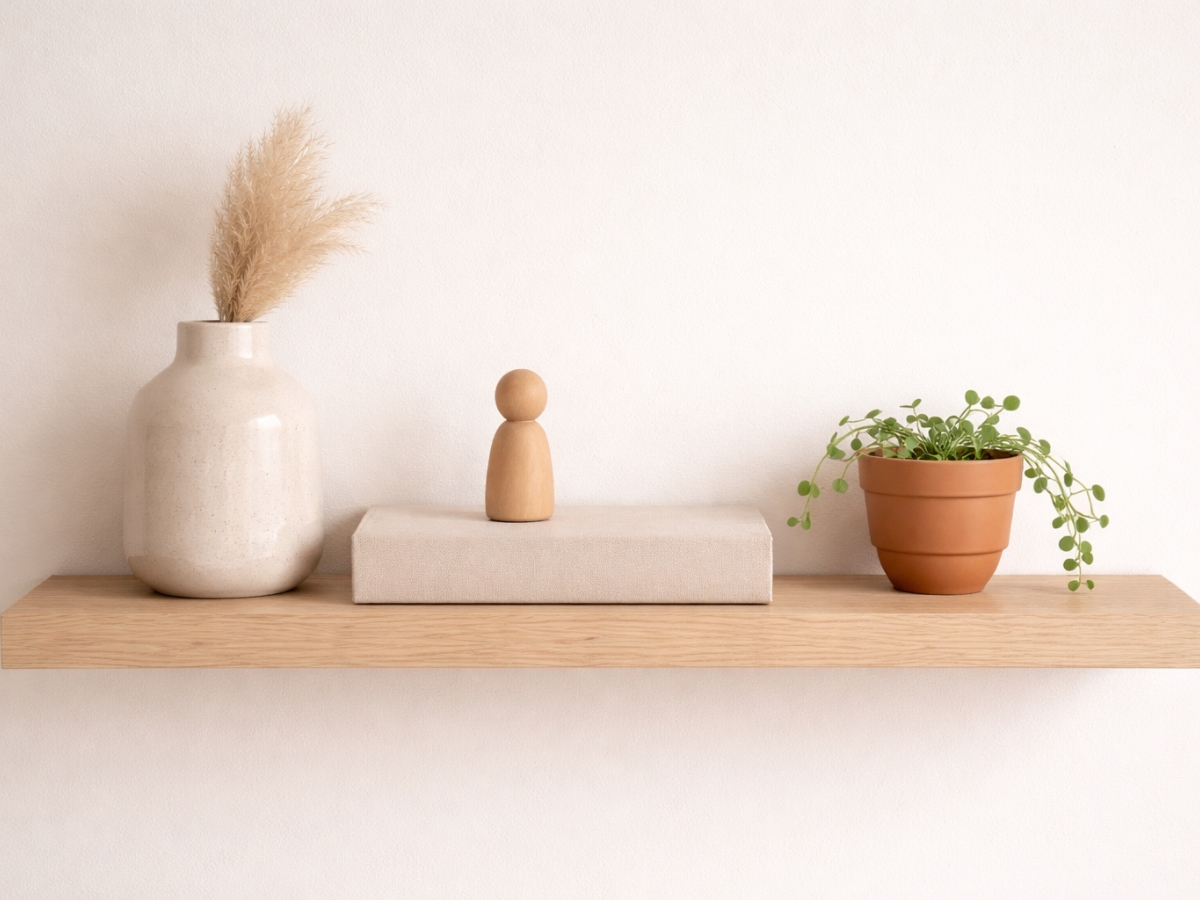
The human eye finds comfort in asymmetrical groupings of three. This principle, beloved by museum curators and interior designers alike, creates visual interest while maintaining balance. In nursery styling, group objects in threes with varying heights — perhaps a tall ceramic vase, a medium picture frame, and a small wooden toy.
The key is intentional variation. If all three objects are the same height, the arrangement feels static. If they're vastly different, it feels chaotic. Aim for a gentle progression — low, medium, high — that creates natural rhythm. The eye should move gracefully from one piece to the next, each object having its moment while contributing to the whole.
In curation, what you don't include is as important as what you do. Negative space — the emptiness around and between objects — allows each piece to breathe and be appreciated. A crowded shelf tells no story; a thoughtfully sparse one tells volumes.
For any surface you're styling — shelf, dresser top, mantel — fill only 70% of the space with objects. The remaining 30% of empty space allows the eye to rest and each piece to have its moment. This restraint is the hallmark of sophisticated styling.
Each object needs space to be seen and appreciated. When pieces are crowded together, they compete for attention rather than complement each other. Allow at least one object's width between each piece for optimal visual flow.
Negative space creates natural pauses that allow the eye to process and appreciate. In a nursery, these visual breaks contribute to the overall sense of calm — essential for both parent and child during quiet moments.
Step 1: Choose Your Anchor
Start with your largest or most significant piece. This might be a framed photograph, a ceramic lamp, or a meaningful keepsake. This anchor piece determines the scale and style for everything else.
Step 2: Add Height Variation
Introduce your medium-height piece, positioning it at a comfortable distance from your anchor. This creates the beginning of your visual triangle — the foundation of pleasing composition.
Step 3: Complete the Triangle
Add your smallest piece to complete the triangular composition. This final piece often works best when placed slightly forward or back from the other two, creating depth on your surface.
Step 4: Evaluate and Edit
Step back and assess. Does each piece have breathing room? Do the heights create a pleasing progression? Is there a story being told? Sometimes the most powerful edit is removing one piece rather than adding another.
The best-curated spaces feel effortless, but effortlessness is the result of countless small, intentional decisions.
— Curation Philosophy
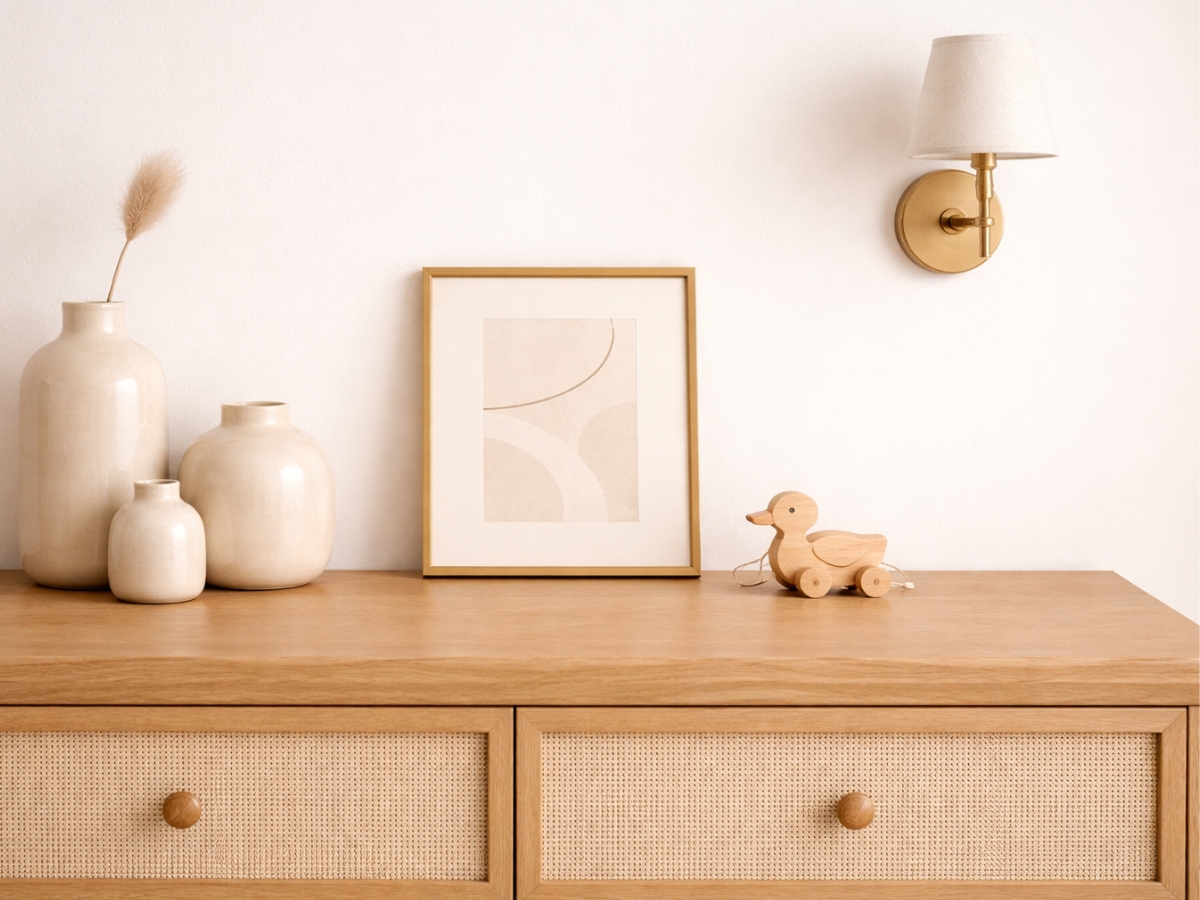
These thoughtfully chosen pieces demonstrate the principles of intentional curation — each object beautiful on its own, perfect together.
Curator's Selections
Three varying heights in warm cream glaze
View Product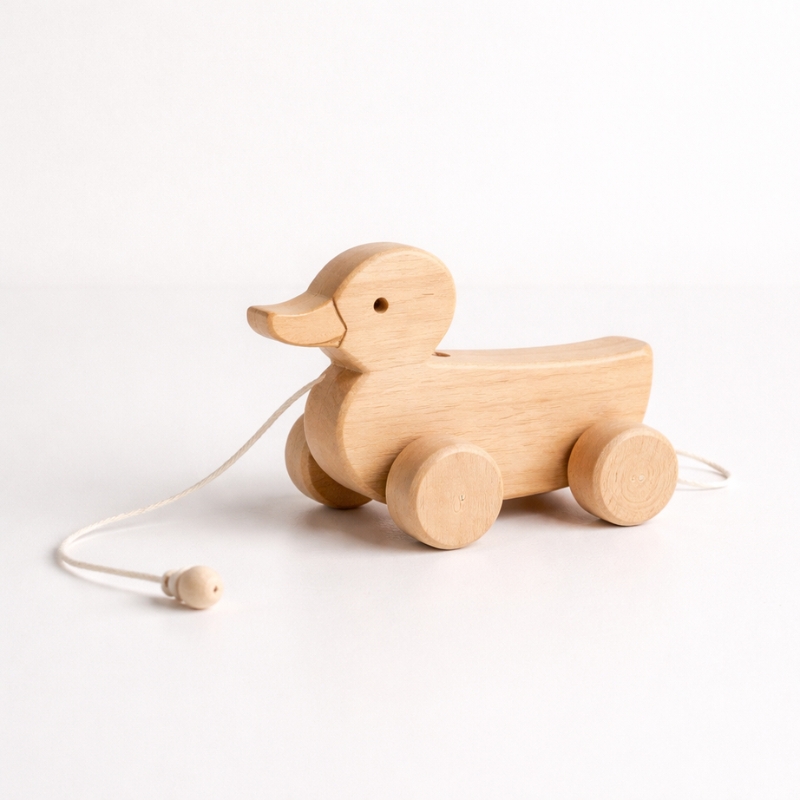
Heirloom-quality maple with natural finish
View Product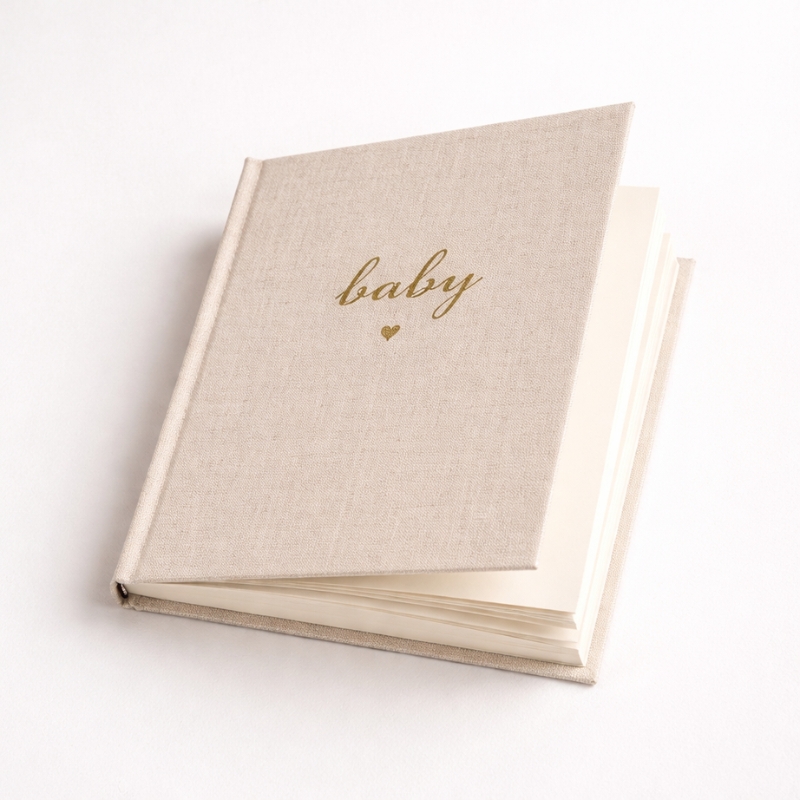
Archival paper in natural linen cover
View Product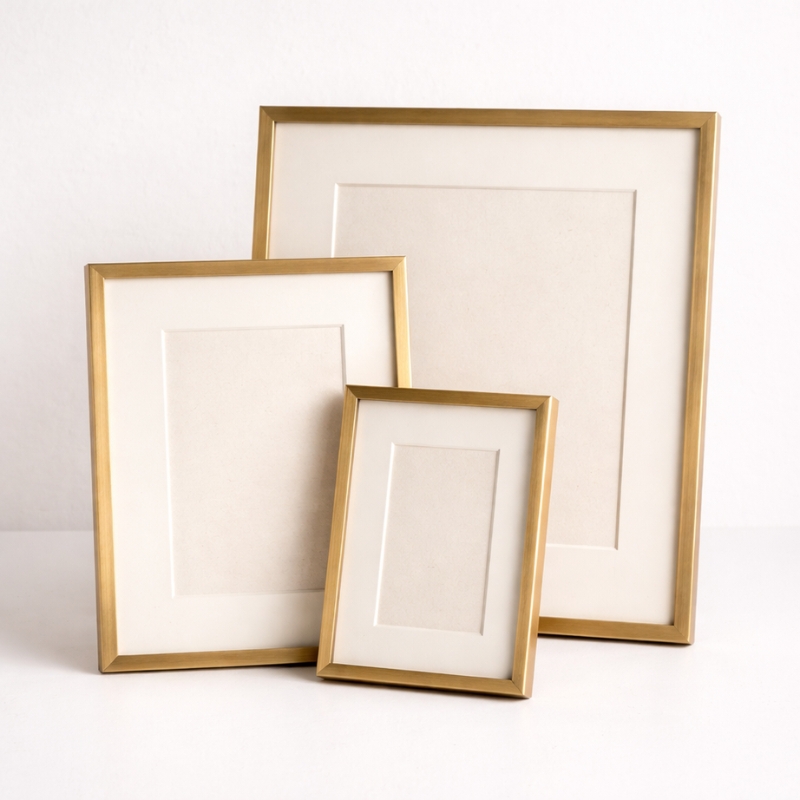
Unlacquered brass in three classic sizes
View Product"A curator's eye sees beyond individual objects to the relationships between them — the conversations, the pauses, the perfect imperfections that make a space feel alive rather than decorated."Closing Note — Velvet & Cradle
Receive weekly curated nursery inspiration and exclusive early access to our designer guides directly in your inbox.